Restoration Insights
Expert tips, damage prevention guides, and industry insights from Denver's trusted restoration professionals.
All Articles

Sump Pump Failure and Basement Flooding: Prevention and Response Guide for Denver Homeowners
A failed sump pump is one of the most common causes of basement flooding in Denver homes. This guide covers why sump pumps fail, how to prevent failures, backup system options, and the immediate steps to take when flooding occurs.
Commercial vs. Residential Water Damage Restoration: Key Differences Denver Property Owners Should Know
Water damage restoration for commercial properties involves unique challenges that residential projects do not face. This guide explains the key differences in scale, complexity, regulations, and business continuity planning that Denver commercial property owners need to understand.
Saving What Matters: Document and Contents Restoration After Water or Fire Damage
After water or fire damage, your personal belongings and important documents may seem lost forever. Modern contents restoration techniques can save far more than most homeowners expect. This guide explains what can be recovered and how the process works.

What Does Black Mold Look Like? Identification Guide
Black mold can be difficult to identify without knowing what to look for. This comprehensive guide covers the appearance, texture, common locations, and health risks of black mold so you can take action before it spreads.

Mold Remediation Cost: Complete 2026 Pricing Guide
Mold remediation costs vary significantly based on the size of the affected area, the location of growth, and the type of mold present. This comprehensive pricing guide breaks down what to expect and how to budget for professional mold removal in 2026.

How to Put Out an Electrical Fire Safely: Step-by-Step Guide
Electrical fires require a specific response that differs significantly from other types of fires. Using the wrong extinguisher or suppression method can cause electrocution or make the fire worse. This guide covers the correct steps, the right equipment, and critical safety decisions.
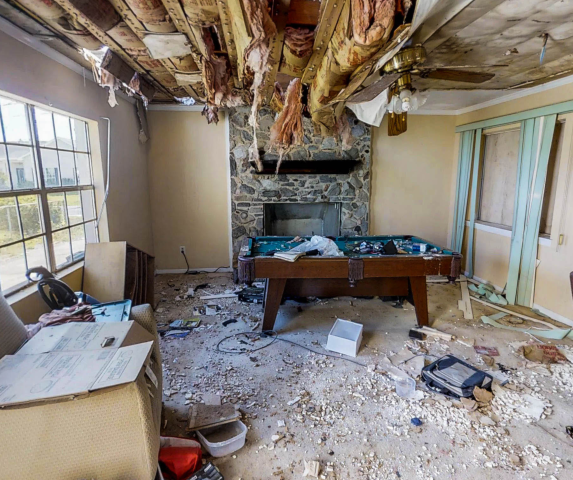
How Long Does Drywall Take to Dry After Water Damage?
Wet drywall is one of the most common consequences of water damage events. How long it takes to dry determines whether it can be saved or must be replaced. This guide covers realistic drying timelines, the factors that influence them, and how to know when drywall is beyond saving.
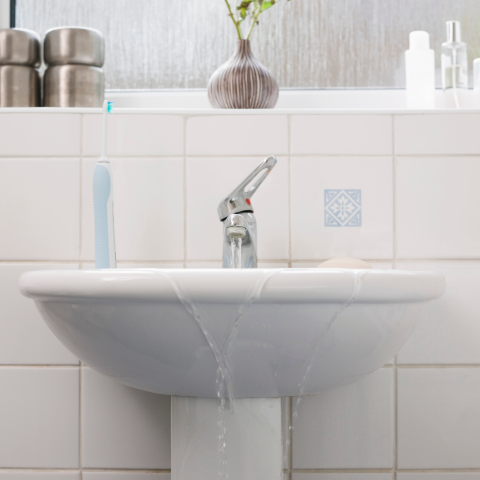
What to Do When Your Toilet Overflows: Emergency Guide
A toilet overflow can cause significant water damage to flooring, subfloors, and adjacent rooms if not addressed immediately. This emergency guide covers the critical first steps, safe cleanup procedures, and when to call professionals for water damage restoration.

What Does Mold Smell Like? Detecting Hidden Mold by Odor
Mold often announces its presence through a distinctive musty smell before it becomes visible. Learning to recognize the smell of mold and understanding what it means for your home and health helps you take action before hidden infestations cause serious damage.
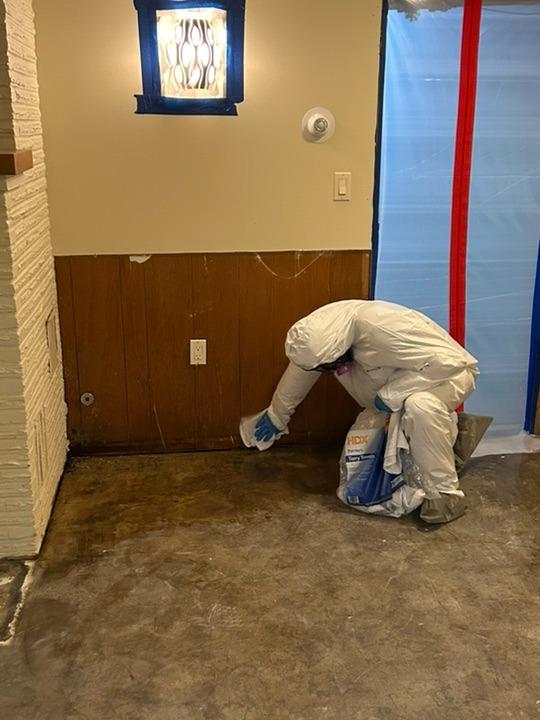
Water Damage Restoration Cost: What to Expect in 2026
Water damage restoration costs vary widely based on the category of water, the area affected, and the extent of structural damage. This 2026 pricing guide breaks down what to expect at every level so you can budget accurately and navigate insurance effectively.

Signs of Water Damage in Walls: How to Detect Hidden Leaks
Water damage inside walls often goes undetected until it causes significant structural deterioration or mold growth. Learning to recognize the early warning signs of hidden water damage helps you catch leaks before they become costly emergencies.

Sewage Cleanup Near Me: What to Do When Sewage Backs Up
A sewage backup is one of the most hazardous emergencies a homeowner can face. This guide covers the immediate steps you should take, the health risks involved, what professional cleanup looks like, expected costs, and how insurance applies to sewage damage.

How to Prevent Mold in Your Basement: Complete Guide
Basements are the most common location for mold growth in residential properties. This complete guide walks you through every strategy for keeping your basement dry and mold-free, from humidity control and ventilation to waterproofing and drainage solutions.

The Fire Damage Restoration Process: Step-by-Step Guide
Fire damage restoration is a complex, multi-phase process that goes far beyond simply cleaning up debris. This step-by-step guide walks you through every stage from emergency response and assessment through smoke removal, structural repair, content restoration, and complete rebuild.

Crawl Space Cleaning: Why It Matters and How It's Done
Your crawl space may be out of sight, but the conditions down there directly affect your indoor air quality, energy efficiency, and structural integrity. This guide explains why crawl space cleaning matters, how to identify problems, and what professional cleaning and encapsulation involve.
Asbestos Abatement in Denver: What Homeowners Need to Know
Many Denver homes built before 1980 contain asbestos in insulation, flooring, ceiling textures, and other building materials. This guide covers where to look for asbestos, how testing works, the professional abatement process, Colorado-specific regulations, and what homeowners should expect for costs.
How Can Denver Business Owners Minimize Downtime After Fire Damage?
Fire can halt business operations suddenly. Learn how Denver business owners can minimize downtime through rapid response, professional restoration, and structured recovery planning.

What Is the Fire Damage Restoration Process in Denver and How Long Does It Take?
Understanding the fire damage restoration process helps Denver property owners know what to expect. Learn the five key steps from emergency response to full reconstruction.
Why Is Fast Storm Damage Restoration Critical in Denver's Climate?
Denver's unpredictable weather makes fast storm damage restoration essential. Learn why the first 24 to 48 hours are critical and how rapid response prevents costly secondary damage.

When Should You Call a Storm Damage Restoration Company in Denver?
Severe storms regularly impact Denver properties, and much of the damage can remain hidden. Learn the warning signs that indicate you need professional storm damage restoration.
Where in a Denver Home Is Black Mold Most Likely to Hide and Why?
Black mold spreads silently before becoming visible. Denver properties face distinct climate challenges and structural weaknesses that enable concealed fungal growth in attics, basements, crawl spaces, and behind walls.
What Are the Most Common Causes of Black Mold in Denver Homes?
Despite Denver's dry reputation, black mold thrives in homes where hidden moisture accumulates from leaks, condensation, and poor ventilation. Understanding the most common causes helps homeowners prevent dangerous mold growth before it damages property and health.

How Fast Should You Act During Sewage Backup Cleanup in Denver?
Every hour of delay during a sewage backup increases contamination, mold risk, and structural damage in your Denver home. Understanding the critical response timeline helps homeowners take the right actions at the right time to protect their families and minimize restoration costs.
Case Study: Complete Fire Damage Restoration in Denver
A Denver residence sustained extensive fire damage affecting interior walls, flooring, and HVAC systems. NuBilt deployed a specialized team for full mitigation and reconstruction, restoring the home to pre-fire condition.

Why Should You Hire a Professional for Sewage Backup Cleanup in Denver?
Sewage backups bring contamination, health risks, and structural damage that require professional intervention. Learn why DIY cleanup is dangerous and how certified Denver restoration teams protect your family and property through proper containment, disinfection, and restoration.

How Denver's Climate and Geography Affect Flood Damage Risks and Restoration
Denver's elevation, mountain proximity, intense summer storms, and rapid urbanization create unique flood risks that shape how restoration professionals approach water damage recovery in the metro area.

How Much Does Flood Damage Restoration Cost in the Denver Metro Area?
Flood damage restoration costs in Denver typically range from $1,200 for minor single-room incidents to over $10,000 for severe basement flooding with contaminated water. Understanding what drives these costs helps you budget and navigate insurance.

How to Choose the Right Flood Damage Restoration Company in Denver
When flooding strikes a Denver home, selecting the right restoration professional determines how fast and safely your property recovers. This guide helps you identify, evaluate, and hire top-tier specialists.
What Should Denver Homeowners Do First After Flood Damage Strikes Their Property?
When floodwater enters a Denver home, the damage extends far beyond visible water. Standing water, damp materials, and hidden moisture quickly escalate into structural problems, mold growth, and health hazards if you don't act fast.

What Certifications Should a Denver Water Damage Restoration Contractor Have?
Not all water damage restoration contractors are equally qualified. Learn which certifications matter most when hiring a Denver restoration company, from IICRC credentials to specialized mold and structural drying qualifications.
How Long Does Water Damage Restoration Take for a Typical Denver Home?
When water damage occurs in a Denver home, understanding the restoration timeline helps homeowners plan effectively. This guide breaks down each stage of the process and explains how Denver's unique climate influences drying times and overall project duration.

Why Is Denver's Climate a Challenge for Water Damage Prevention?
Denver's Denver climate creates unique water damage challenges that many homeowners underestimate. From freeze-thaw cycles to expansive clay soils and sudden hailstorms, understanding how local weather patterns affect your property is essential for effective prevention.

Can Minor Leaks Lead to Serious Water Damage in Denver Homes?
Even the tiniest leaks can cause extensive damage if left untreated in Denver homes. Learn how small drips escalate into warped floors, mold infestations, and structural failures, plus how to detect and prevent them before costly restoration becomes necessary.
Case Study: Water Leak in Basement - Emergency Main Line Break Restoration
When Mark's main water line broke in his Denver home, NuBilt responded faster than competing contractors, provided transparent upfront estimates, and restored his basement without unnecessary work or hidden charges.
Case Study: Basement Flood Residential Restoration Project
A Denver homeowner experienced significant basement flooding requiring complete remodeling of the hallway, bathroom, and bedroom. NuBilt delivered comprehensive restoration with quality finishes and clear communication.
Case Study: Smoke and Fire Restoration - A Homeowner's Journey to Recovery
After a fire caused extensive soot and smoke damage to their Denver home, the homeowners were assigned NuBilt for the rebuild. Through collaborative design, professional craftsmanship, and constant communication, the home was beautifully restored.

Case Study: Household Emergency Construction
When a sudden household emergency struck a Denver home, NuBilt's team delivered rapid response, quality craftsmanship, and personal connection that turned a crisis into a success story.
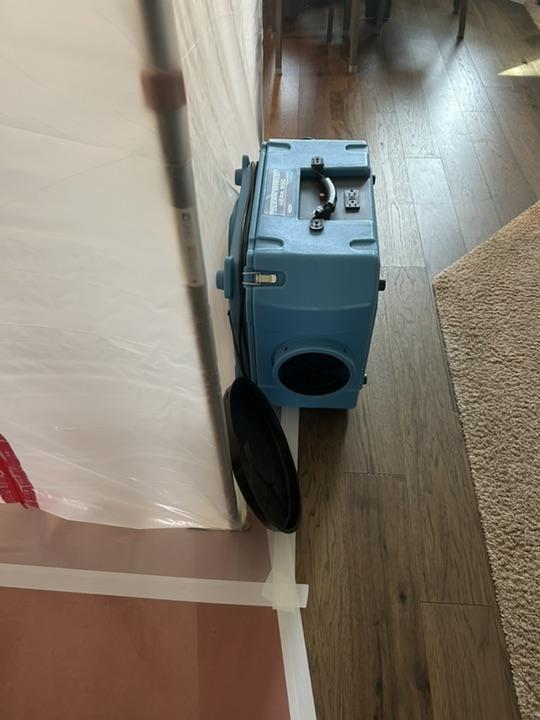
What Does the Water Damage Restoration Process Look Like in Denver?
From emergency water extraction to final reconstruction, learn what the professional water damage restoration process looks like in Denver and why local expertise matters for Colorado homeowners.
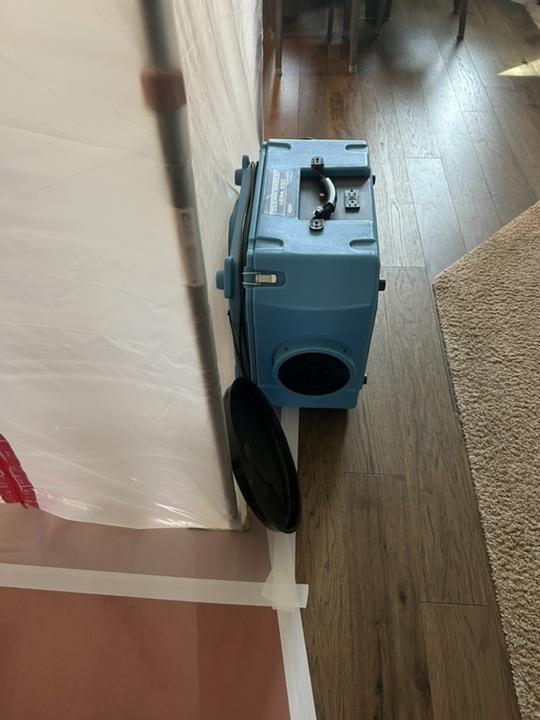
How Much Does Water Damage Restoration Cost in Denver?
Water damage restoration costs in Denver range from $1,200 for minor incidents to over $10,000 for extensive flooding. Learn what factors influence pricing and how to manage expenses effectively.

Does My Homeowners Insurance Cover Water Damage in Denver?
Denver homeowners often wonder whether their insurance covers water damage from burst pipes, storms, or flooding. This comprehensive guide explains what is typically covered, what requires additional endorsements, and how to navigate the claims process effectively.
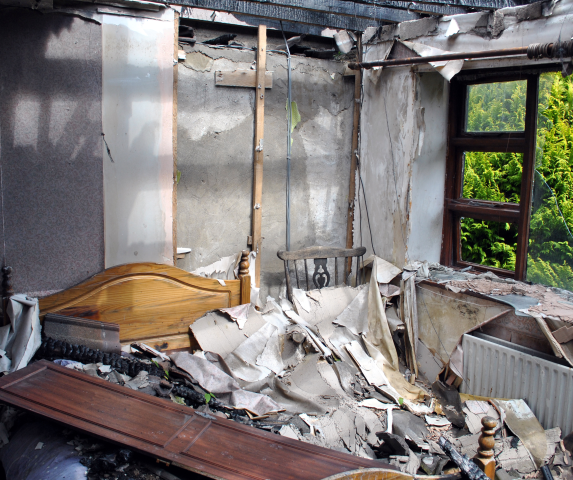
What Are the First Steps to Take After Water Damage in Denver?
Water intrusion demands swift, strategic action to prevent mold growth and structural deterioration. Learn exactly what Denver homeowners should do immediately after discovering water damage to protect their property and minimize restoration costs.
Denver Storm Damage Guide: Hail, Roof and Restoration
Denver's elevation and proximity to the Denver create diverse weather threats. This comprehensive guide covers common storm damage types, seasonal patterns, and restoration approaches.

Will Insurance Cover Storm Damage Restoration in Denver?
Denver's Denver experiences some of the most severe hail and storm events in North America. Learn how insurance covers storm damage, the claims process, and how to maximize your coverage.

How Can You Tell If Storm Damage Is Hidden in Your Denver Property?
Much of Denver's storm damage hides beneath surfaces where homeowners cannot see it. Learn the warning signs of hidden damage and why professional inspection is essential.

What Should You Do Immediately After a Storm Damages Your Denver Home?
Denver's location in Tornado Alley means storm damage is a matter of when, not if. Learn the essential steps to take immediately after a storm damages your home to protect your safety and your investment.
The Critical Importance of Emergency Water Damage Response
Water damage is one of the most destructive events affecting properties, and every minute counts. Learn why emergency response is critical and what the professional restoration process looks like.
Your Home Insurance and Water Damage: What Is Actually Covered?
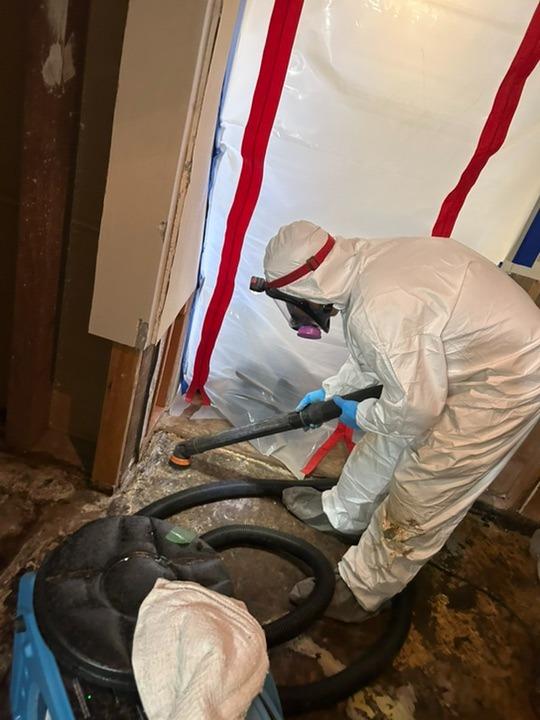
Many homeowners are surprised to learn their insurance does not cover all water damage. Learn the difference between covered and excluded water damage events and how to maximize your claims.
Can Mold Make You Sick? Understanding the Symptoms of Mold Exposure
Mold exposure can cause respiratory issues, skin reactions, and neurological symptoms. Learn how to identify mold-related health problems and why professional remediation is crucial for Denver homes.
Ten Signs Your Home Has Hidden Water Damage
Water damage often goes undetected until serious structural issues develop. Learn the ten warning signs of hidden water damage that every Denver homeowner needs to recognize.
Signs of Water Damage: What Your Walls and Floors Are Telling You
Your walls and floors communicate water damage through subtle signs. Learn to read discoloration, texture changes, warping, and other indicators that Denver homeowners should never ignore.
Why Fire Damage Is More Than Just Burnt Walls: Hidden Dangers Explained
Fire damage extends far beyond visible destruction. Learn about the hidden dangers of smoke contamination, structural compromise, and toxic residues that make professional restoration essential.
Tips for Preventing Winter Fires
Winter in Colorado brings cold temperatures and increased fire risks. Learn essential tips for chimney maintenance, space heater safety, and fire prevention to keep your Denver home safe.
The Categories and Classes of Water Damage
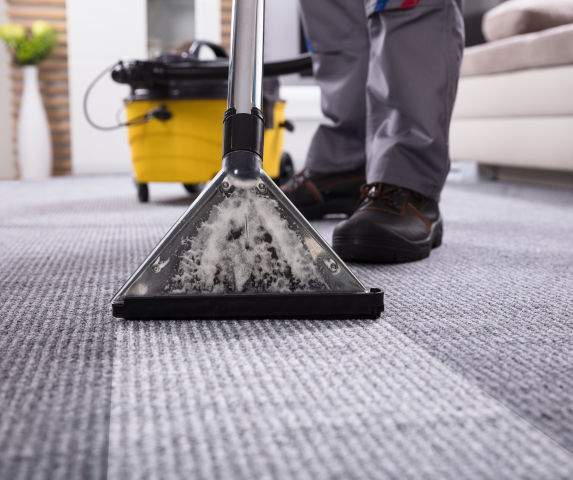
Water damage is classified by both categories (water cleanliness) and classes (evaporation rate). Understanding these distinctions helps you know when to call a professional and what to expect from restoration.
Need Emergency Restoration?
Don't wait. Our team is available 24/7 to respond to your disaster recovery needs.